Electronics Budget guide
Best Soundbar and Subwoofer Combo – Top Picks for Every Budget in 2026
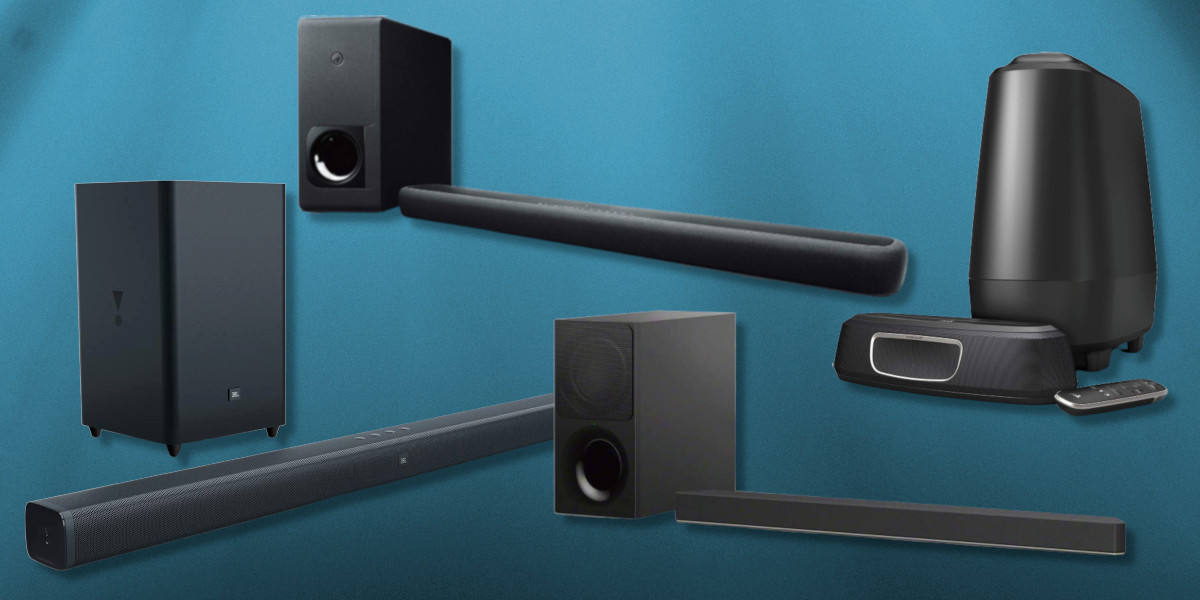
Your TV’s built-in speakers are lying to you. They reproduce voices clearly enough to follow a plot, but they strip out the bass that makes action scenes feel physical and the mid-range depth that makes music worth hearing. A soundbar with a wireless subwoofer fixes that in about twenty minutes of setup. The sub sits on the floor, the bar sits under your TV, and the combo auto-pairs. You do not need a receiver, a wiring project, or a large entertainment center.
The picks below cover $86 to $449. Every product was in stock at a major US retailer (Amazon, Best Buy, Target, Vizio.com, or polkaudio.com) in June 2026 with a verified price. If you find something sold out when you read this, check the same retailer for the current successor model in the same line.
Quick Picks
| Pick | Product | Price Range | Best For |
|---|---|---|---|
| Best under $100 | Vizio SV210M-08 | ~$86-$100 | First-time upgraders on a tight budget |
| Best under $130 | Hisense HS2100 | ~$119-$130 | Bedrooms and smaller living rooms |
| Best mid-budget | LG S40T | ~$170-$200 | Living rooms that want clear dialogue and decent bass |
| Best 3.1 under $280 | Samsung HW-B650F | ~$229-$279 | Buyers who want a real center channel at a reasonable price |
| Best Sony pick | Sony HT-S400 | ~$228 | Sony TV owners who want HDMI ARC and honest bass |
| Best Dolby Atmos | Polk Audio Signa S4 | ~$349-$449 | Buyers who want Atmos height effects without a $600 system |
What to Look for at This Budget
Included wireless subwoofer: make sure it is actually in the box
Not every “soundbar” comes with a sub. Some bars include virtual bass processing that simulates low end, which is not the same thing. The picks in this guide all ship with a physical wireless subwoofer that pairs automatically on power-up. Budget subs (5-6 inches) roll off around 45-50 Hz: you hear the hit in action scenes but not the deepest bass. Step up to the $228-$280 range and the subs are larger with more extension.
Channels: 2.1 vs 3.1 and why the center channel matters
Most of the picks here are 2.1 (two channels in the bar plus a subwoofer). The Samsung HW-B650F is a 3.1, meaning it adds a dedicated center speaker driver. The center channel carries dialogue. On a 2.1 bar, dialogue reproduction depends entirely on the bar’s width and how the drivers are positioned. On a 3.1, the center driver anchors voices directly in front of you regardless of room layout.
If you watch a lot of dialogue-heavy TV or anything where actors are not always on-screen, 3.1 is worth the extra $50-$100.
Connectivity: HDMI eARC vs HDMI ARC vs optical
HDMI eARC supports lossless Dolby TrueHD and DTS-HD Master Audio over a single cable. Most budget bars ship with HDMI ARC, which handles Dolby Digital 5.1 compressed audio. For streaming Netflix or Hulu, ARC is fine and the difference is inaudible on a sub-$300 system. Optical is your fallback for older TVs without ARC. Do not use Bluetooth as your primary TV connection; it adds noticeable latency.
Dolby Atmos at budget: managed expectations
Dolby Atmos on a sub-$280 soundbar means virtual height processing, not real up-firing drivers. The Vizio and Hisense bars decode Atmos signals but simulate height through psychoacoustics. Only the Polk Signa S4 adds dedicated up-firing drivers that do actual overhead work. If real Atmos matters and your budget is $200, the honest answer is: it is not available at this price. You will still hear a significant improvement over TV speakers.
Vizio SV210M-08 (2.1ch, Dolby Atmos, HDMI eARC)
Who it’s for: Budget buyers who want to spend under $100 and walk away with something genuinely better than TV speakers.
Price: ~$86-$100 at Amazon and Best Buy
The SV210M-08 is the easiest recommendation in this guide because the math works. You get Dolby Atmos decoding, HDMI eARC (not just ARC), Bluetooth 5.2, and a 5-inch wireless subwoofer for under a hundred dollars. Reviewers consistently note that the sub is the biggest immediate improvement over built-in TV audio. For movies and TV in small to medium rooms, it delivers. At 30 inches wide, it fits under most 50-55 inch TVs without overhanging.
Pros: HDMI eARC at this price is unusual. Dolby Atmos and DTS:X decoding. Easy setup.
Cons: No remote included (sold separately). The bar’s own treble can sound slightly bright. Sub does not hit below 50Hz. Wattage is not disclosed, which limits comparison.
Hisense HS2100 (2.1ch, 240W, HDMI ARC)
Who it’s for: Buyers who want a step up from the Vizio without breaking $130.
Price: ~$119-$130 at Amazon and Best Buy
The HS2100 delivers 240W total across its 2.1 configuration, which is meaningfully louder than entry soundbars rated at 60-100W. The 5.25-inch wireless sub handles movie bass with less compression than smaller budget units. Reviewers at Homes and Gardens found that it “far exceeded expectations” for its price, with room-filling volume and dialogue that does not disappear under action scenes.
Connectivity includes HDMI ARC, optical, AUX, USB, and Bluetooth 5.3. The bar is Roku TV Ready, meaning a compatible Roku TV will control volume and input via a single remote without extra setup.
Pros: 240W at this price is strong. Six EQ modes (Movie, Music, News, Night, Sport, Game). Dolby Audio and DTS Virtual:X. Wide connectivity options.
Cons: HDMI ARC rather than eARC limits audio quality slightly. No Dolby Atmos decoding. The system was sold out directly at Hisense’s site as of June 2026, but Amazon and Best Buy had stock.
LG S40T (2.1ch, 300W, HDMI ARC)
Who it’s for: Living room buyers who want clear dialogue, room-filling bass, and seamless TV integration, especially with LG TVs.
Price: ~$169-$200 at Best Buy and Target
The S40T is 300W total (100W soundbar, 200W subwoofer), which gives it noticeably more headroom than the Hisense HS2100. Owners report that movies sound cinematic at normal listening volumes without needing to push the system. LG’s WOW Orchestra feature broadens the soundstage when paired with an LG TV, though the bar works fine with any brand.
AI Sound Pro adjusts processing automatically based on content type, and owners note it makes voice-heavy shows noticeably cleaner without manual EQ. Clear Voice Plus further sharpens dialogue. HDMI ARC connects with one cable. Bluetooth 5.3 handles wireless music. The bar is under 30 inches wide, practical for most mid-size TVs.
Pros: 300W total output, strong for the price. AI Sound Pro handles EQ automatically. LG TV integration is genuinely useful if you own one. Clean, compact design.
Cons: No Dolby Atmos. HDMI ARC, not eARC. No optical input, which matters if your TV is older or lacks ARC. The $200 end of the range is a stretch for what you get vs. the Samsung below.
Samsung HW-B650F (3.1ch, 370W, HDMI ARC)
Who it’s for: Buyers who watch a lot of dialogue-heavy content, own a Samsung TV, or want more power than a 2.1 system at a similar price to the Sony.
Price: ~$229-$279 at Best Buy and Amazon
The B650F adds a built-in center channel to the standard soundbar-plus-sub configuration, making it the only 3.1 system in this price range worth recommending. Dialogue clarity is the practical benefit: voices stay locked to the center of the screen even in complex action sequences. At 370W total, it also has the highest output rating in this guide below the Polk.
Samsung’s Q-Symphony syncs the soundbar with your Samsung TV’s built-in speakers on compatible sets, and it works noticeably well. Voice Enhance Mode sharpens dialogue without making voices sound processed. HDMI ARC connects via a single cable, though note the B650F does not support eARC. If you have 4K Blu-ray with TrueHD audio, connect the player directly to your TV.
Pros: 3.1 channels is the right configuration for dialogue. 370W output. Q-Symphony with Samsung TVs. Bass Boost mode for action content. Solid overall sound for the price.
Cons: No eARC. No Dolby Atmos (DTS Virtual:X only, which is simulated). Requires a Samsung-compatible remote or the Samsung SmartThings app for full control. Price floats, so verify before purchasing.
Sony HT-S400 (2.1ch, 330W, HDMI ARC)
Who it’s for: Sony TV owners, or anyone who wants clean, honest sound quality over gimmick features.
Price: ~$228 at Amazon
The HT-S400 is a 330W 2.1-channel bar with a large 160mm wireless subwoofer. Sony reviewers consistently note that it gets loud without distorting, which is the critical test at this price. The sub hits hard enough for action movies and music with genuine bass content, though it rolls off around the same frequency range as comparable systems.
S-Force PRO Front Surround is Sony’s virtual surround processing. Owners describe it as subtle rather than theatrical: it widens the stage without artificial effects that fatigue over a long film. Connectivity is limited to HDMI ARC, optical, and USB (firmware updates only). No Bluetooth audio input on the bar, which some owners find frustrating. You connect via ARC and that is it.
Pros: Strong output at 330W with a large sub driver. Reliable build quality. Very clean sound character. Simple setup.
Cons: No Bluetooth streaming. No Dolby Atmos. HDMI ARC only (not eARC). No app for EQ adjustment. Limited input options overall. At $228, it competes directly with the Samsung B650F, which offers a center channel for similar money.
Polk Audio Signa S4 (3.1.2ch, Dolby Atmos, HDMI eARC)
Who it’s for: Buyers who want real Dolby Atmos height effects from a soundbar without spending $600 or more.
Price: ~$349-$449 at polkaudio.com and Amazon
The Signa S4 is a different class of product. It has seven drivers in the bar plus two dedicated up-firing height speakers, feeding a wireless 5.9-inch subwoofer. That 3.1.2 configuration (three front channels, one sub, two height channels) is what makes genuine Dolby Atmos possible. Reviewers at Tom’s Guide called it “one of the best bang-for-buck soundbars you can get,” and tests with Dolby Atmos content like Dune show the height channels doing real work.
HDMI eARC handles lossless audio passthrough. VoiceAdjust lets you dial in dialogue clarity without compressing the mix. BassAdjust controls sub output independently. Setup takes under ten minutes.
The caveat: this is a 2021 product at 2026 prices. The Signa S4 launched at $299 and has crept up since. At $449 MSRP it is an aggressive buy. At $349 on sale (which happens regularly), it is the best value in the under-$500 Atmos bar category.
Pros: Real Dolby Atmos with up-firing drivers. HDMI eARC. VoiceAdjust and BassAdjust customization. Ultra-slim design. Strong subwoofer for its size.
Cons: No Wi-Fi, no streaming app support. Front LED indicator lights are cryptic and hard to read. Sub can sound slightly boomy at maximum volume. At full MSRP ($449), the value case weakens compared to newer competition. No rear speaker expansion possible.
What You Give Up at This Price
Every soundbar in this guide has real trade-offs compared to spending $600 or more:
Sub extension: Budget subs roll off around 45-50Hz. Real bass starts around 30Hz. You will feel the gap during deep movie LFE moments or heavy bass music.
No rear channels: None of these systems include rear speakers. Virtual:X and similar processing simulate surround sound but cannot replicate actual speakers behind you.
App control: Only the LG S40T has a companion app for EQ control. The others rely on physical buttons or the TV remote via HDMI CEC.
FAQ
Do I need a soundbar with a separate subwoofer, or is a single-unit soundbar with built-in bass enough?
A separate wireless sub will almost always sound better for movies and TV shows. Built-in bass in single-unit bars is limited by cabinet size. If bass matters to you at all, a combo with an external sub is the right choice.
Will any soundbar work with my TV brand?
Yes. All of these connect via HDMI ARC, optical, or Bluetooth and work with any TV. LG’s WOW Orchestra and Samsung’s Q-Symphony features work better with their respective TV brands, but none of these bars require a specific TV.
Is HDMI ARC the same as HDMI eARC?
No. HDMI ARC supports Dolby Digital 5.1 compressed audio and limited DTS formats. HDMI eARC supports lossless Dolby TrueHD and DTS-HD Master Audio, plus higher bandwidth for uncompressed audio. For streaming content, ARC is fine. For 4K Blu-ray with lossless audio, eARC makes a difference. Of the picks here, only the Vizio SV210M-08 and Polk Signa S4 include eARC.
Do soundbars actually make dialogue clearer?
Yes, and this is the most underappreciated improvement. Most TV panels have tiny drivers aimed sideways or downward. A front-facing soundbar with a proper driver array significantly improves dialogue intelligibility, especially in late-night viewing where you want to keep volume low. The Samsung B650F’s center channel and LG S40T’s Clear Voice Plus are both specifically tuned for this.
What is the difference between Dolby Atmos and DTS Virtual:X?
Dolby Atmos adds a height dimension to sound using actual or simulated up-firing channels. At budget price points, “Dolby Atmos decoding” means the bar can process an Atmos signal but delivers virtualized height, not real overhead audio. DTS Virtual:X is a virtual surround format that widens the sound field without height channels. Both are better than basic stereo. Only the Polk Signa S4 in this guide delivers Atmos via dedicated up-firing speakers.